Learn About Our Services

Dog Training at
Rose Hill Manor Park & Museums

What Makes Rose Hill Manor Park & Museums Great for Dog Training

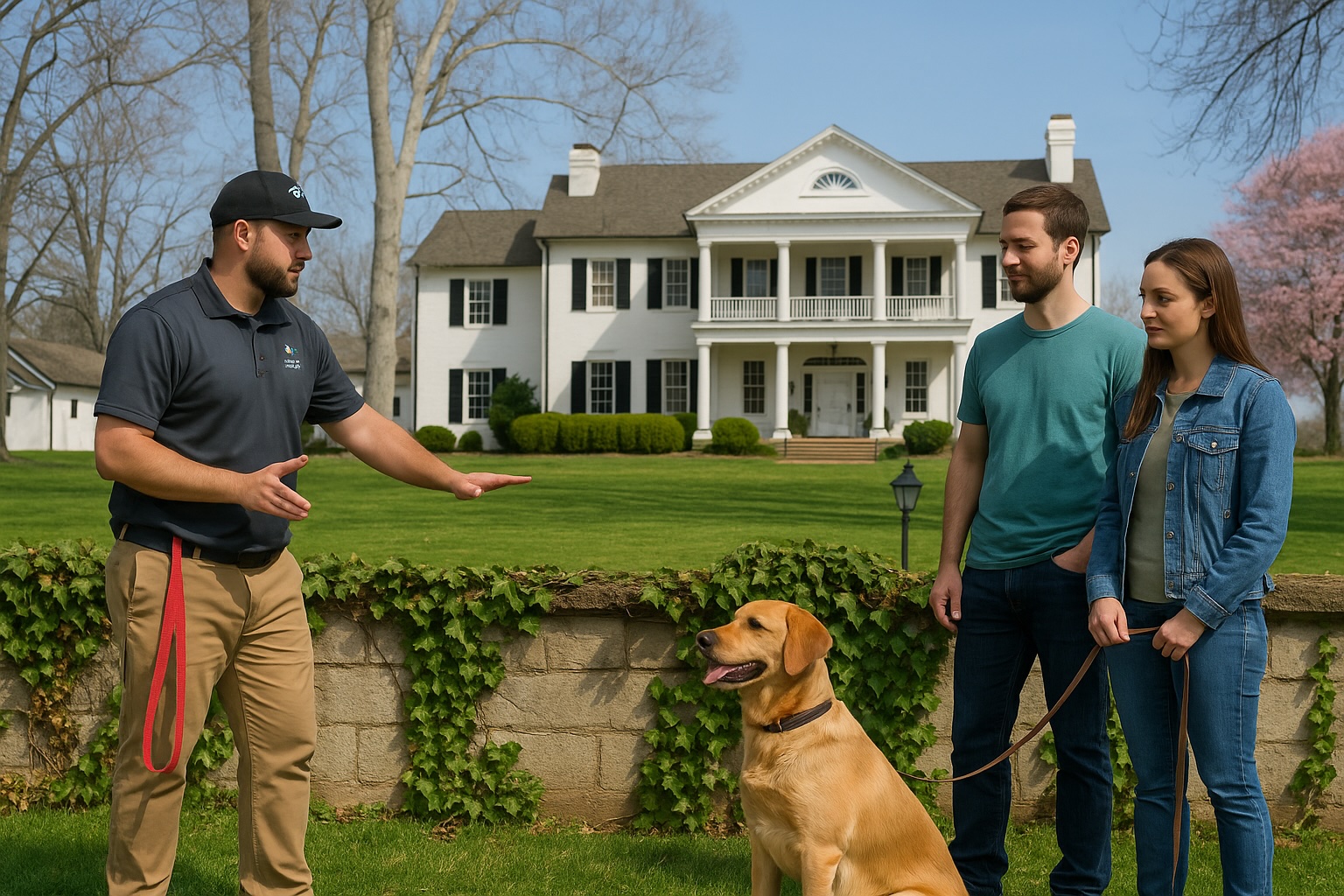
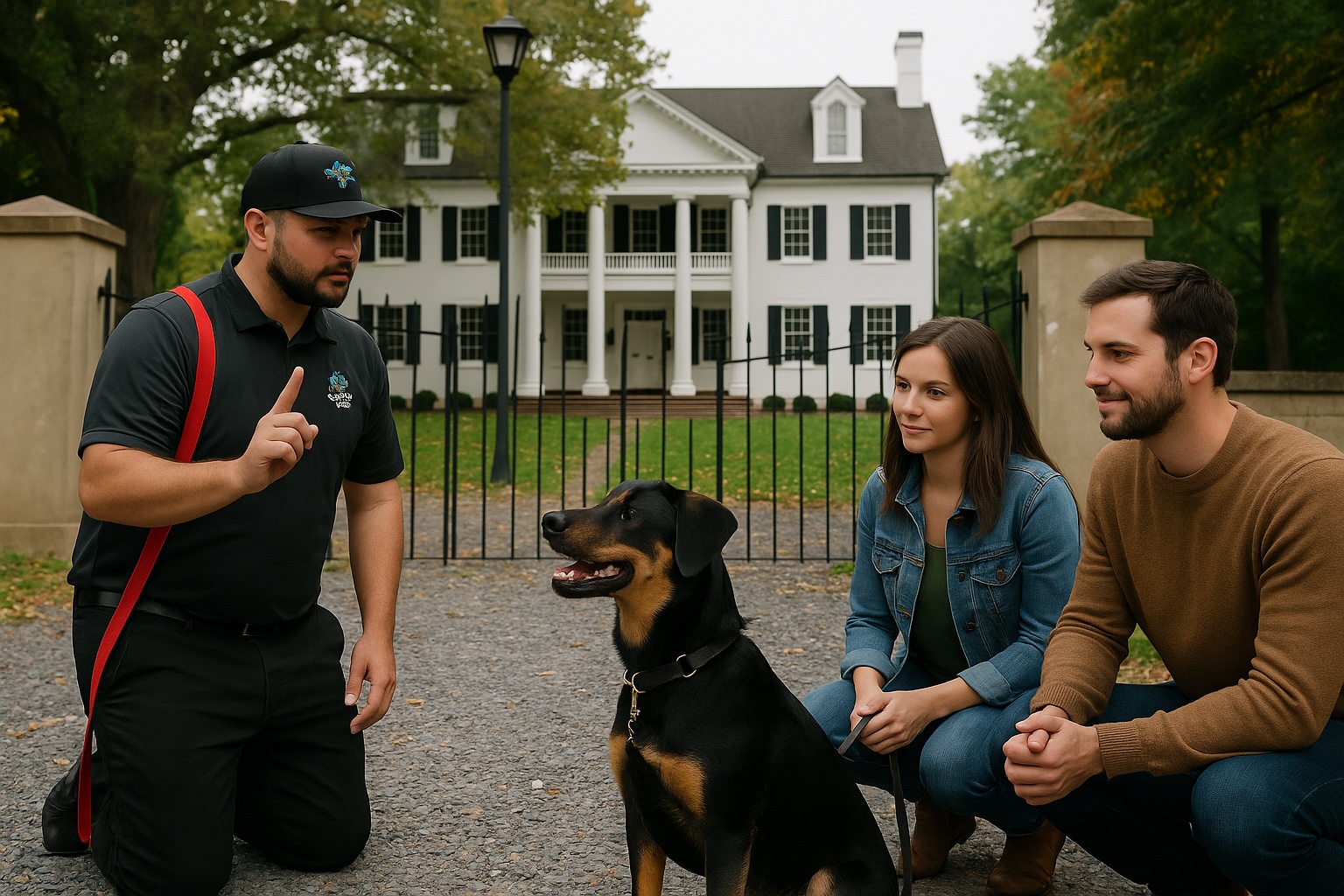
Rose Hill Manor Park & Museums offers a mix of calm, semi-structured environment and moderate distraction exposure. The open lawns and tree-lined paths provide soft surfaces and shade, which are good for basic obedience work (sit, recall, heeling) without overly intense foot traffic. Because it’s a historic museum site rather than a high-use dog park, the number of off-leash or high-energy dogs is lower, giving a more controlled atmosphere for training. At the same time, the presence of period buildings, varied landscaping (gardens, shrubs, architectural elements), and occasional visitors gives the opportunity to build in controlled distractions: walking past historic structures, navigating around curbs or paths, changing footing, exposure to mild ambient human traffic, children, etc. For intermediate and advanced dogs, that is beneficial. Using a place like this helps bridge the gap between a quiet training field and truly chaotic real-world settings (sidewalks, dog parks).

Dog Training at Rose Hill Manor Park & Museums Information

  • Address:1611 North Market Street
    Frederick, MD 21701
    (Website)
  • Parking Info:The site offers free parking for visitors. On-site motorcoach or group parking is available.  Note: depending on museum hours, some areas may be closed or reserved; check with site staff in advance.
  • Availability:8:00am - Sunset
  • AmenitiesThe property offers shade from mature trees, garden areas, benches, and scenic walking paths. No public water amenities are available on site.

Quick Tips for Dog Training Sessions at Rose Hill Manor Park & Museums

  • Walk the property first with a client (no dog) to identify quieter zones, shade, choke points, spots with minimal foot traffic.
  • During warmer months, schedule sessions early morning or later evening (within park hours) to avoid peak visitor times.
  • Use the structures (benches, low walls, garden edges) as props for place, down, or “stay with distraction” drills.
  • Keep the dog on leash until comfortable—some sections may have visitors or unforeseen obstacles.
  • Use short training bouts and frequent breaks—historic grounds can have uneven footing or hidden roots.
  • Bring your own water and a portable shade umbrella if needed; don’t assume drinking fountains are accessible.
  • Be mindful of other visitors (especially museum patrons) and navigate politely; encourage clients to yield or pause when needed.

We're here to help.

Training your dog well is one of the most rewarding things you can do for your dog's long term quality of life — and your's. We do this every day. Schedule and let's discuss how we can make a difference for you and your pup.
Book an Intro Call Now